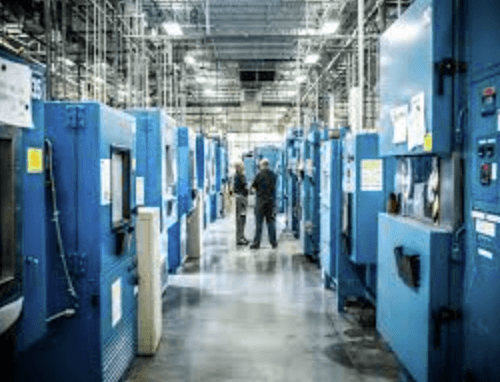
Materials used in outdoor environments must withstand more than everyday wear and tear. Sunlight, moisture, temperature fluctuations, and changing weather conditions can gradually affect their appearance, strength, and functionality. For manufacturers, understanding these effects before a product reaches the market is an important part of quality assurance and product development.
Traditional outdoor exposure testing can take months or years to reveal significant changes. Results may also vary according to the season, geographical location, and conditions experienced during the test. Accelerated weathering testing provides a controlled approach to evaluating material durability within a planned laboratory procedure.
By exposing specimens to selected environmental stresses, manufacturers can compare material formulations, investigate degradation, and identify potential weaknesses earlier in the development process. The value of this approach depends on selecting suitable test conditions and interpreting the results according to the intended application.
Why Accelerated Weathering Testing Matters
Outdoor exposure can cause several types of material deterioration. Ultraviolet radiation may contribute to fading and chemical degradation, moisture can affect coatings and substrates, and temperature changes may encourage expansion, contraction, or cracking.
These effects do not occur at the same rate in every material. A plastic housing may lose color stability, a painted surface may develop cracks, and a sealant may gradually lose flexibility. Even materials that initially appear similar can respond differently because of variations in composition, additives, pigments, and manufacturing processes.
Accelerated weathering tests help manufacturers investigate these differences under defined conditions. Instead of waiting for long-term outdoor observations alone, engineers can evaluate specimens using repeatable laboratory procedures.
The findings can support material selection, formulation development, product qualification, and quality-control investigations. They can also help manufacturers compare new designs with established products before making significant production investments.
However, accelerated exposure should not be treated as a universal prediction of outdoor service life. Laboratory results provide evidence about material behavior under specified conditions, while actual durability also depends on the climate, installation, maintenance, and exposure patterns encountered in use.
How Accelerated Weathering Chambers Work
Accelerated weathering equipment creates controlled conditions designed to simulate selected environmental stresses. Depending on the system and test method, these conditions may include light exposure, elevated temperatures, condensation, water spray, or other forms of moisture exposure.
The appropriate combination depends on the material being evaluated and the degradation mechanisms the test is intended to investigate.
Simulating sunlight exposure
Sunlight contains ultraviolet, visible, and infrared radiation. Certain wavelengths can initiate chemical reactions in susceptible materials, gradually affecting color, surface appearance, and physical properties.
Weathering systems may use specific light sources and filters to reproduce relevant portions of the solar spectrum. The selection of the light source is important because different spectral characteristics can produce different degradation patterns.
For reliable comparisons, laboratories should follow the relevant test method when setting exposure intensity, specimen temperature, cycle duration, and other operating parameters.
Introducing moisture and condensation
Moisture can interact with light exposure and temperature to influence material degradation. Rain, condensation, and repeated wetting and drying may affect coatings, polymer surfaces, adhesives, and other products.
Some testing procedures include condensation or water exposure to investigate these effects. The purpose is to reproduce a relevant environmental stress in a controlled manner rather than introduce moisture without a defined objective.
Not every material requires the same moisture cycle. Test conditions should reflect the intended application and the requirements of the relevant standard.
Controlling temperature and exposure cycles
Temperature influences the rate of many physical and chemical processes. It can also affect how materials respond to moisture and radiation.
A weathering procedure may alternate between different exposure stages, with each stage lasting a specified period. The sequence, temperature limits, and duration should be defined before testing begins.
Consistent cycle programming helps laboratories compare different materials and production batches. It also makes it easier to investigate unexpected results when the test conditions have been documented properly.
Industries That Benefit From Accelerated Weathering Tests
Weathering evaluation is useful across industries that produce materials expected to maintain their appearance or performance during environmental exposure.
Plastics and polymer manufacturing
Plastic components are widely used in outdoor furniture, electrical enclosures, construction products, automotive trim, and agricultural equipment. Depending on the polymer formulation, exposure to sunlight and moisture may cause discoloration, embrittlement, surface cracking, or changes in mechanical properties.
Testing can help manufacturers compare resin grades, pigments, stabilizers, and protective additives. It can also reveal whether a formulation change improves resistance to environmental deterioration.
Where mechanical performance is important, visual inspection alone may not be sufficient. Measurements of strength, flexibility, or other relevant properties can provide a more complete understanding of the material’s condition after exposure.
Paints, coatings, and surface finishes
Paints and protective coatings must often maintain both appearance and functional performance. Outdoor exposure can contribute to fading, gloss loss, chalking, blistering, or cracking, depending on the coating system and substrate.
Weathering tests help manufacturers compare formulations and evaluate changes to pigments, binders, and additives. They can also support investigations into premature coating failure.
For protective applications, laboratories should determine whether additional assessments, such as adhesion testing or substrate inspection, are necessary after exposure.
Construction and building materials
Roofing products, exterior panels, sealants, window components, and other construction materials may experience prolonged environmental exposure. Their ability to retain flexibility, color, and structural integrity can influence maintenance requirements and expected service performance.
Controlled testing allows manufacturers to compare materials under defined conditions before they are used in building projects. It can also help identify differences between product formulations that appear similar during initial inspection.
Actual building performance still depends on installation quality, local climate, exposure orientation, and maintenance practices.
Automotive and transportation components
Automotive components can encounter sunlight, heat, moisture, and temperature fluctuations throughout their service life. Exterior trim, polymer housings, protective coatings, and certain interior materials may therefore require weathering evaluation.
Testing can help manufacturers investigate changes in appearance and material properties. It may also support the development of more suitable formulations for components exposed to demanding conditions.
The selected test method should reflect the component’s intended location and relevant customer or industry requirements.
Textiles, signage, and consumer products
Outdoor fabrics, awnings, printed signs, and recreational products may experience fading or changes in surface characteristics during use. These changes can affect appearance, customer satisfaction, and product suitability.
Weathering tests allow manufacturers to compare dyes, coatings, fibers, inks, and protective treatments. The evaluation method should be chosen according to the property that matters most, such as color retention, surface condition, or mechanical durability.
Choosing the Right Weathering Test Equipment
Equipment selection should begin with a clear understanding of the material, the intended environment, and the purpose of the test. A system designed for one exposure method may not meet the requirements of another.
Identify the required environmental stresses
Determine whether the material needs to be evaluated under ultraviolet exposure, condensation, water spray, temperature changes, or a combination of conditions.
Review the applicable test standards and product specifications before choosing the equipment. This helps ensure that the selected system can reproduce the conditions required for meaningful results.
Review control and monitoring capabilities
The chamber should provide appropriate control over the parameters specified in the test procedure. Depending on the method, these may include irradiance, temperature, humidity, moisture cycles, and exposure duration.
Monitoring features are equally important. Recording relevant operating conditions helps laboratories confirm that the procedure remained within its intended limits and investigate deviations.
Consider specimen capacity and arrangement
The working area should accommodate the required number and size of specimens. Samples must be positioned according to the test method so that exposure conditions remain appropriate.
Overloading the chamber or arranging specimens incorrectly can affect the consistency of results. Laboratories should consider the dimensions of their typical samples, required fixtures, and the space needed for suitable specimen placement.
Evaluate maintenance and operating costs
The purchase price is only one part of the overall investment. Energy consumption, calibration, replacement components, servicing, and operator training may also affect long-term costs.
Before purchasing equipment, review the manufacturer’s maintenance recommendations and confirm whether technical support and replacement parts are accessible. A practical maintenance plan can reduce interruptions and support consistent testing.
Manufacturers comparing equipment options can review a LIB industry accelerated weathering chamber to assess whether its configuration aligns with their materials, exposure requirements, and laboratory objectives.
See also: Rooflights for Pitched Roofs: Types, Benefits and Practical Installation Advice
Best Practices for Reliable Weathering Results
Reliable testing begins with consistent specimen preparation. Each sample should be labeled and inspected before exposure, and its initial condition should be recorded. When comparing different formulations, laboratories should keep specimen dimensions and preparation methods consistent wherever the test procedure requires them.
The test plan should specify the exposure conditions, cycle sequence, duration, and evaluation criteria. Technicians should record any deviations rather than assuming that every test has followed the intended procedure exactly.
After exposure, specimens should be evaluated using appropriate and repeatable methods. Depending on the material, this may involve color measurement, gloss assessment, visual inspection, adhesion testing, or mechanical measurements.
Reference specimens and repeated tests can help researchers determine whether observed changes are consistent. They may also reveal whether differences between samples are significant enough to warrant further investigation.
Finally, accelerated weathering results should be considered alongside field exposure data, material specifications, and previous product experience. Laboratory testing provides a controlled basis for comparison, but real-world conditions are more variable and may introduce stresses that the selected procedure does not reproduce.
Frequently Asked Questions
1. What materials can be tested in an accelerated weathering chamber?
Common examples include plastics, paints, coatings, construction materials, automotive components, textiles, and outdoor consumer products. The appropriate equipment and test procedure depend on the material and the environmental stresses being investigated.
2. Does accelerated weathering testing determine a product’s exact outdoor lifespan?
No. Accelerated testing helps evaluate material changes under controlled conditions, but there is no universal conversion between laboratory exposure time and years of outdoor service. Climate, material composition, installation, and exposure patterns all influence real-world durability.
3. How can manufacturers improve the accuracy of weathering test results?
Manufacturers should use a documented test procedure, prepare specimens consistently, verify equipment performance, monitor exposure conditions, and apply repeatable evaluation methods. Reference samples and proper test records also help make results easier to compare.
Conclusion
Accelerated weathering testing provides manufacturers with a structured way to investigate how environmental exposure affects materials and finished products. It can help identify fading, cracking, surface deterioration, and other changes before products are introduced into demanding applications.
Choosing suitable equipment requires careful consideration of the required exposure methods, control capabilities, specimen capacity, maintenance needs, and applicable standards. When combined with consistent sample preparation and reliable measurements, accelerated weathering testing can support better material selection, more effective product development, and stronger quality-control decisions.
