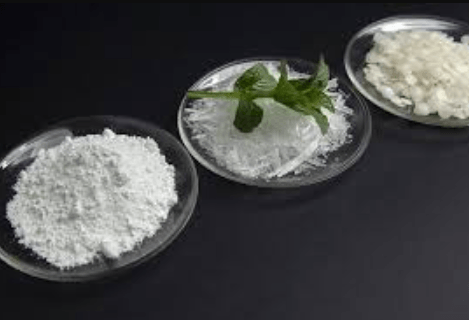
The development of modern nutritional supplements increasingly involves delivery systems designed to influence how ingredients are dispersed, protected, and incorporated into finished products. Liposomal formulations are one approach used in the supplement and pharmaceutical ingredient industries. They combine selected active ingredients with lipid-based structures, creating additional considerations for manufacturing, stability, analytical testing, and storage.
Glutathione is an antioxidant compound naturally present in the human body. It is also used in some commercial supplement formulations. When considering a liposomal form, manufacturers should evaluate both the glutathione content and the characteristics of the delivery system rather than assuming that the term “liposomal” alone guarantees a particular performance outcome.
Understanding Glutathione
Glutathione is a tripeptide composed of three amino acids: glutamate, cysteine, and glycine. It participates in normal cellular antioxidant processes and other biological functions. Its properties have led to interest in glutathione as an ingredient for nutritional and research applications.
Commercial glutathione ingredients can differ in purity, formulation, stability, and physical form. The actual specification determines the amount of active material present and the conditions required to preserve product quality.
Manufacturers should distinguish the amount of glutathione in a formulation from the total weight of the finished ingredient. In a delivery system containing lipids and other components, the total powder weight may include considerably more than the active compound itself.
What Does Liposomal Delivery Mean?
Liposomal delivery systems use lipid-based vesicles or structures designed to incorporate or associate with selected ingredients. Their composition and physical properties depend on the formulation method, lipid selection, processing conditions, and intended use.
Lipid composition
The type and quality of lipids influence the characteristics of the delivery system. Manufacturers should confirm which lipid materials are used, whether the composition is clearly defined, and how ingredient consistency is monitored between batches.
Encapsulation and loading
Encapsulation efficiency describes the proportion of an ingredient associated with the intended delivery structure under a specified analytical method. It is not the same as the total active ingredient concentration. Both values may matter when evaluating a formulation.
Particle characteristics
Particle size distribution and physical stability can influence the behaviour of a liposomal preparation. Depending on the product format, relevant measurements may include particle size, dispersion characteristics, and evidence of aggregation or separation during storage.
These properties should be measured using appropriate methods and interpreted within the context of the actual formulation.
Quality Testing and Specifications
A useful specification should define the ingredient’s identity, active content, lipid composition, and relevant physical and microbiological characteristics. The exact requirements depend on the product category and destination market.
Active ingredient assay
Testing should establish the amount of glutathione using a suitable analytical method. Buyers should confirm the assay basis, acceptance range, and whether results are reported on an as-supplied or dry-weight basis.
Lipid and formulation testing
Because a liposomal product includes a delivery system, testing may need to cover lipid identity, particle characteristics, dispersion behaviour, and relevant stability indicators. A single active-content result cannot describe every important feature of the formulation.
Contaminant controls
Quality programmes may include heavy metals, microbial limits, residual solvents, or other contaminants depending on the raw materials and manufacturing process. Testing requirements should be documented rather than assumed.
Stability, Packaging, and Storage
Liposomal preparations may be sensitive to temperature, oxygen, moisture, and other environmental factors. Stability depends on the lipid composition, processing method, packaging, and storage conditions.
A powder format may provide handling advantages for certain manufacturing operations, but the physical state does not remove the need for stability testing. Manufacturers should establish appropriate packaging, storage conditions, and shelf-life criteria from relevant data.
The finished product should also be tested under conditions that represent its intended packaging and distribution environment. A raw ingredient’s shelf life does not automatically establish the stability period of a finished capsule, tablet, or powder blend.
Incorporating Liposomal Glutathione into a Product
Before selecting a delivery system, formulators should determine the desired active content per serving, final dosage form, processing conditions, and target market requirements.
Compatibility with other ingredients
Minerals, botanical extracts, flavours, and other components may affect the physical or chemical stability of a formulation. Compatibility testing can help identify interactions before commercial production.
Manufacturing conditions
Mixing, drying, compression, and other production steps may affect a delivery system. The manufacturer should determine which processing conditions are suitable for the specific ingredient rather than applying a standard procedure without validation.
Finished-product evaluation
Quality checks may include active content, uniformity, physical stability, microbiological testing, and packaging integrity. The exact test plan should be based on the product’s risk profile and regulatory requirements.
See also: Why Customers Now Choose Brands with Values
Selecting a Supplier
Supplier evaluation should consider technical transparency, batch consistency, analytical documentation, packaging, and delivery reliability. Buyers should request a complete specification and ask how the supplier measures glutathione content, encapsulation, and particle characteristics.
For sourcing research, hongdaherbs liposomal glutathione powder can be evaluated alongside other ingredient options. Confirm the current composition, test methods, storage requirements, available documentation, minimum order quantity, and lead time directly with the supplier.
Frequently Asked Questions
1. What is liposomal glutathione powder?
It is a glutathione ingredient formulated with a lipid-based delivery system and supplied in powder form. Its exact composition and characteristics depend on the manufacturing process and specification.
2. Does the word “liposomal” guarantee better absorption?
No. Performance depends on the specific formulation and the available evidence. Buyers should review relevant analytical data and product-specific studies rather than relying on the terminology alone.
3. Which documents should bulk buyers request?
Relevant documents may include the technical specification, certificate of analysis, active-content results, lipid composition, particle-characterisation data, contaminant testing, stability information, and batch traceability records.
Conclusion
Liposomal glutathione ingredients require evaluation of both the active compound and the lipid-based delivery system. Reliable selection depends on clear specifications, suitable analytical methods, stability data, and consistent manufacturing controls. A thorough supplier assessment helps manufacturers understand what the ingredient contains and whether it fits their intended product requirements.
