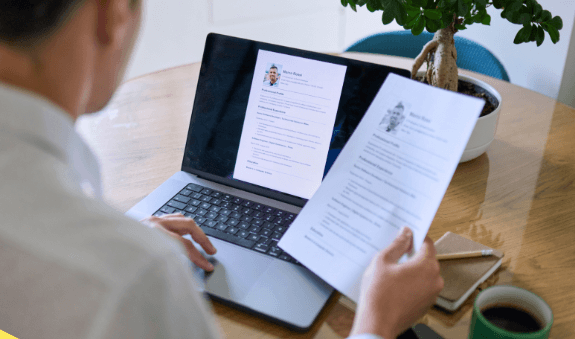
If your resume hasn’t been updated in a few years, you’re probably overdue for a refresh. Even if your experience is strong, an old resume can make your job search harder than it needs to be. Hiring practices change, employers scan resumes differently, and the skills companies value today aren’t always the same ones they looked for years ago.
The good news? You don’t have to start from scratch. With a few smart changes, you can turn an outdated resume into a modern, relevant document that gets attention for the right reasons.
Start With Your Most Recent Experience
One of the easiest ways to update an old resume is to review your work history. Your recent experience should receive the most attention, especially if you’ve taken on more responsibility over time.
Look at your previous job descriptions and ask yourself what has changed. Did you manage larger projects? Train new employees? Work with new software? Improve a process? Handle important clients?
Add those details instead of simply listing your daily responsibilities. Employers want to see what you actually accomplished, not just what your job title required you to do.
For example, instead of saying “Responsible for customer service,” you could write something like “Handled customer inquiries and helped improve response times by organizing a more efficient support process.”
Specific results make your experience much more convincing.
Remove Outdated Information
An old resume often contains information that no longer needs to be there. Take a critical look at everything you’ve included.
Do you still need to list every job you’ve had since the beginning of your career? Probably not. Older positions can usually be shortened, especially when they’re unrelated to your current career direction.
You may also want to remove outdated software, old certifications, personal information, or skills that aren’t relevant anymore. Your resume has limited space, so use it for information that helps employers understand what you can offer today.
Think of your resume as a highlight reel, not your entire professional history.
Add Modern Skills
The workplace has changed significantly, and employers now look for a mixture of technical and soft skills. Depending on your industry, these might include digital communication, data analysis, project management, artificial intelligence tools, remote collaboration, problem-solving, or adaptability.
Don’t simply add popular keywords because they sound impressive. Include skills you can genuinely discuss during an interview.
It’s also worth checking current job descriptions in your field. What skills appear repeatedly? If you already have those abilities, make sure they’re visible on your resume.
Make Your Resume Easier to Read
A modern resume doesn’t need complicated graphics or excessive design. In fact, a simple layout is often more effective.
Use clear headings, readable fonts, short bullet points, and enough white space. Avoid huge blocks of text. Recruiters may review many applications, so they should be able to find your key information quickly.
Your contact details should be easy to locate, followed by a strong professional summary and your most relevant experience.
Keep formatting consistent throughout the document. If one job title is bold, use the same approach for the others. Small details like these can make your resume look much more professional.
Update Your Professional Summary
If your resume starts with an objective written many years ago, it’s time for a change.
A professional summary should quickly explain who you are, what you do well, and what kind of value you bring to an employer. Keep it focused and avoid generic statements such as “Hardworking individual seeking a challenging position.”
Instead, highlight your experience, strongest abilities, and career focus.
Your summary should sound like a real person wrote it. There’s no need to fill it with complicated corporate language.
Use Keywords Naturally
Many companies use applicant tracking systems to organize and filter resumes. This means relevant keywords can help your resume get noticed.
Read the job description carefully and identify important skills, qualifications, and job-related terms. If they genuinely match your background, include them naturally in your resume.
For example, if you’re exploring new opportunities and using หางาน resources, pay attention to the language employers use in the listings. You can then make sure your resume reflects your actual experience using similar terminology.
The same applies when you’re ready to สมัครงาน. A resume that’s tailored to the position is usually more effective than sending exactly the same version to every employer.
Focus on Achievements
One of the biggest differences between an old resume and a strong modern resume is the focus on results.
Whenever possible, show what changed because of your work. Did you increase sales? Reduce costs? Finish projects faster? Improve customer satisfaction? Train a team? Solve a difficult problem?
Numbers can make achievements easier to understand, but they aren’t required for every bullet point. Even a clear description of an important result can make your experience more memorable.
Instead of simply telling employers what you did, show them why it mattered.
Check Your Resume Before Sending It
Before you submit your updated resume, read it from an employer’s perspective.
Is your most relevant experience easy to find? Are there spelling or grammar mistakes? Are your dates consistent? Does every section support the type of job you’re pursuing?
Also, make sure your resume works well as a digital document. Save it in a commonly accepted format and use a professional file name.
Finally, don’t be afraid to ask someone you trust to review it. A fresh pair of eyes can catch mistakes you’ve overlooked.
Keep Updating It
Updating your resume shouldn’t be something you do only when you’re unemployed. Make small changes whenever you gain a new skill, complete an important project, receive a promotion, or achieve a meaningful result.
That way, when an interesting opportunity appears, you won’t have to remember several years of accomplishments overnight.
A good resume should represent where your career is going, not where it was years ago. Take the time to remove outdated information, highlight recent achievements, add relevant skills, and make the document easy to read. A few thoughtful updates can make a surprisingly big difference in today’s job market.
