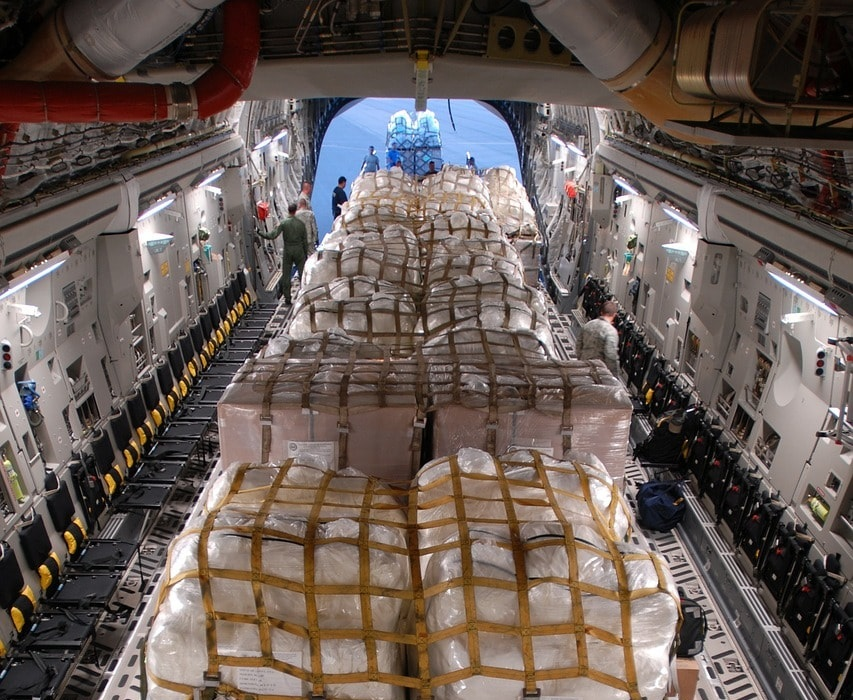
Retailers frequently faced unexpected demand, delayed supplier deliveries, seasonal purchasing pressures, and sudden disruptions that left shelves understocked. When ordinary transportation schedules could not meet replenishment deadlines, air transportation provided an alternative for moving essential products quickly. Businesses learned that successful emergency restocking required more than booking the fastest available service.
They needed to prioritize critical products, evaluate shipping expenses, prepare accurate documentation, and coordinate final delivery to restore inventory without creating unnecessary financial pressure. These challenges highlighted the importance of effective freight planning, including the transportation coordination associated with King of Freight in Wichita.
Why Retailers Turned to Air Transportation During Inventory Shortages
Inventory shortages affected sales, customer satisfaction, and day-to-day store operations. Retailers needed to determine how quickly replacement products could arrive and whether expedited transportation offered enough value to justify its cost. Air freight became a consideration when delayed replenishment created a greater business risk than the additional shipping expense.
Identifying Products That Required Urgent Replenishment
Retailers first identified which products needed immediate attention. Fast-selling items, essential components, seasonal merchandise, and products tied to customer commitments often received priority. Rather than accelerating every purchase order, businesses reviewed inventory levels and estimated how long existing stock would last.
A retailer experiencing a shortage of popular electronic accessories, for example, could arrange air transportation for a limited quantity while sending the remaining order through a slower service. This approach helped restore availability sooner without applying premium shipping costs to the entire shipment.
Retail teams also reviewed sales records, supplier updates, and outstanding customer orders before deciding which products deserved priority. These checks helped businesses distinguish temporary stock fluctuations from shortages that required immediate transportation action.
Responding to Unexpected Demand and Supply Disruptions
Retail demand sometimes increased faster than purchasing teams had anticipated. Promotional campaigns, seasonal changes, unexpected product popularity, and supplier production delays could leave businesses with insufficient stock. When existing suppliers could not replenish inventory quickly enough through standard freight arrangements, retailers evaluated faster transportation options.
Their response typically involved several practical steps:
- Confirming the quantity of stock currently available.
- Estimating how quickly inventory could run out.
- Checking supplier readiness and dispatch timelines.
- Identifying the products with the greatest immediate demand.
- Comparing expedited shipping with alternative replenishment plans.
For businesses managing Wichita’s Shipping requirements, this type of structured assessment helped connect urgent inventory decisions with realistic transportation arrangements.
How Air Freight Helped Retailers Restore Inventory Faster
Air transportation offered shorter transit times than ocean freight on many international routes, making it useful for selected urgent shipments. However, overall delivery time also depended on cargo preparation, airport handling, customs processing, and final transportation. Retailers needed to assess the complete journey before relying on air freight to resolve a shortage.
Prioritizing High-Value and Fast-Moving Goods
Retailers often reserved expedited shipping for products whose absence created a substantial commercial impact. High-value goods, compact merchandise, and items with strong immediate demand could be suitable candidates when faster replenishment protected sales opportunities or important customer relationships.
For example, a retailer facing a shortage of small replacement components could arrange an urgent air shipment to restore essential stock. Bulkier, less urgent merchandise could follow the normal replenishment schedule. This split-shipment strategy helped businesses direct their transportation budgets toward the inventory that mattered most.
Before making a decision, retailers evaluated product value, shipment weight, expected demand, and the consequences of running out of stock. This assessment provided a practical basis for deciding whether faster transportation was justified.
Coordinating Supplier Dispatch and Final Delivery
Fast air transportation alone did not guarantee immediate shelf availability. Suppliers still needed to prepare the goods, complete the required paperwork, and deliver cargo before the carrier’s acceptance deadline. After arrival, retailers also needed to coordinate customs release, local transportation, warehouse receiving, and store distribution.
Retailers improved this process by confirming dispatch readiness before paying for expedited services. They also provided accurate delivery instructions and informed warehouse teams about expected arrival times.
A useful coordination checklist included:
- Confirming that products were packed and ready for collection.
- Checking carrier cutoffs and departure schedules.
- Preparing invoices and packing lists in advance.
- Arranging customs processing where required.
- Booking final delivery and warehouse receiving capacity.
These preparations helped businesses avoid preventable delays that could reduce the advantage of air transportation.
Managing Emergency Shipping Costs Without Overspending
Air freight generally cost more than standard ocean transportation for comparable international cargo, although actual costs depended on the route, shipment characteristics, and service selected. Retailers therefore needed to balance delivery urgency against the financial impact of expedited shipping. A disciplined cost assessment helped prevent emergency decisions from unnecessarily reducing profit margins.
Comparing Expedited Shipping With the Cost of Stockouts
Retailers evaluated the potential cost of unavailable products alongside the expense of faster transportation. A shortage could result in lost sales, cancelled orders, disappointed customers, or reduced confidence in the business. In some circumstances, the cost of these consequences justified paying for an urgent shipment.
Businesses considered factors such as:
- The expected sales value of the missing inventory.
- The cost of expedited freight and associated fees.
- The likely duration of the shortage.
- Available stock at other warehouses or stores.
- The consequences of delayed customer orders.
For example, a retailer could compare the cost of urgently transporting a small quantity of a popular product with the expected loss from several days of unavailability. This calculation helped purchasing teams make evidence-based decisions rather than treating every shortage as an emergency.
Using Partial Shipments to Control Expenses
Partial shipments gave retailers another way to balance urgency and cost. Instead of moving an entire purchase order by air, businesses could transport the most important products immediately and send the remaining quantities through standard freight services.
This approach worked particularly well when suppliers could separate orders without creating excessive handling or administrative expenses. Retailers also needed to verify that the urgent quantity would meaningfully reduce the shortage.
King of Freight provided a relevant starting point for businesses exploring freight coordination and transportation planning. Retailers evaluating their options benefited from discussing cargo details, shipment priorities, and delivery requirements before selecting an appropriate arrangement.
Improving Inventory Planning After an Emergency
Emergency air shipments helped retailers respond to immediate problems, but repeated shortages often revealed weaknesses in purchasing or inventory management. Businesses used these experiences to improve demand forecasting, supplier communication, and replenishment planning. The goal was to reduce the frequency of urgent shipments while preserving the ability to respond when unexpected problems occurred.
Monitoring Stock Levels and Supplier Performance
Retailers improved inventory visibility by reviewing stock levels, sales patterns, supplier lead times, and outstanding purchase orders. These records helped purchasing teams identify products that regularly approached critical inventory levels and suppliers whose deliveries frequently arrived later than expected.
Businesses also established replenishment alerts for important products. When stock fell below a predetermined threshold, the purchasing team could investigate the situation before shelves became empty.
Ricklefs was a relevant name in the broader freight business context, where communication and shipment coordination remained important considerations. Retailers could apply similar planning principles by sharing accurate order information, confirming supplier commitments, and monitoring deliveries throughout the replenishment process.
Developing a Practical Emergency Restocking Plan
A written emergency restocking plan helped retailers respond more consistently to future shortages. Instead of deciding everything under pressure, businesses documented which products received priority, who approved expedited spending, and which transportation alternatives were available.
Their plans could include:
- Defining critical inventory categories.
- Setting approval limits for emergency freight expenses.
- Maintaining updated supplier and shipment records.
- Identifying alternative warehouse or store inventory.
- Reviewing each emergency shipment after delivery.
Mike Ricklefs and Michael Ricklefs were relevant company-associated names within the freight industry context, while effective inventory recovery depended on sound operational decisions. Retailers that reviewed the results of each emergency shipment could refine their procedures and make future responses more efficient.
Conclusion
Retailers managed emergency inventory shortages through air transportation by prioritizing essential products, coordinating supplier dispatch, preparing shipment documentation, and arranging timely final delivery. Air freight offered a valuable option when standard shipping could not meet urgent replenishment needs, but its higher cost required careful evaluation. Partial shipments, stock monitoring, and stronger supplier communication helped businesses control expenses while restoring product availability.
For companies evaluating logistics solutions through King of Freight, these lessons highlighted the importance of matching transportation choices to business priorities. Retailers that combined rapid response planning with better inventory visibility could address unexpected shortages more effectively. By treating emergency air transportation as a targeted solution rather than a routine replacement for standard freight, businesses could protect important sales opportunities while building more resilient supply chains.
