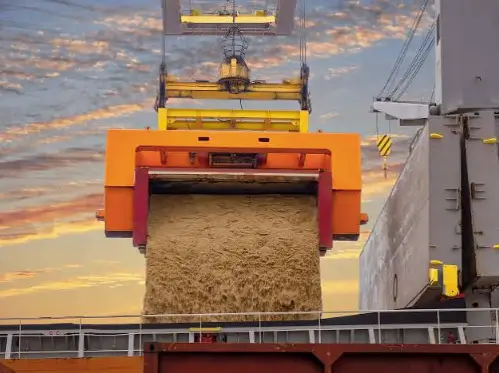
Bulk material handling facilities depend on large machines to move, stack, and reclaim materials efficiently. Ports, mining operations, power stations, and industrial processing plants often use stacker reclaimers to manage large volumes of coal, ore, minerals, and other bulk commodities. These machines operate under demanding conditions, making the reliability of their rotating assemblies particularly important.
A stacker reclaimer combines several mechanical systems, including conveyors, booms, travel mechanisms, and rotational equipment. Its slewing assembly enables the boom or upper structure to turn into the required position. The bearing supporting this movement must accommodate substantial loads while maintaining the alignment of connected components.
Over time, wear, contamination, lubrication problems, or changing operating conditions can affect bearing performance. Recognizing potential problems early and planning an appropriate replacement can help maintenance teams reduce unexpected downtime and protect the surrounding machinery.
Understanding the Slewing System in a Stacker Reclaimer
A stacker reclaimer is designed to distribute bulk material into storage piles and recover it when required. Depending on the equipment configuration, its rotating structure may position a boom or reclaiming mechanism across a large working area.
The slewing bearing forms the rotational connection between the relevant structural sections. It supports the forces transmitted through the machine while allowing the assembly to turn.
A typical slewing bearing consists of inner and outer rings, rolling elements, raceways, seals, and mounting features. Some designs also incorporate gear teeth that engage with a drive pinion. The bearing configuration depends on the machine’s load requirements and engineering design.
In a stacker reclaimer, the bearing must operate alongside the drive system, supporting structure, fasteners, and lubrication arrangement. The condition of each component can influence the performance of the complete rotational assembly.
Why Slewing Bearings Experience Wear
Heavy and Repeated Loading
Stacker reclaimers can experience substantial forces as they move material and reposition their booms. These forces may include axial loads, radial loads, and overturning moments.
The load profile can change according to the boom’s position, material distribution, and operating cycle. Repeated loading may gradually affect bearing components, particularly when the equipment operates for extended periods.
Correct design, installation, and maintenance help manage these demands, but the bearing’s condition should still be monitored throughout its service life.
Dust and Contamination
Bulk handling facilities often contain airborne particles from coal, ore, minerals, and other materials. If contaminants enter the bearing through damaged seals or inadequate protection, they may contribute to lubricant deterioration and surface wear.
Dust can also affect external components, including the gear interface and drive mechanism. Regular inspection and effective contamination control are important parts of maintenance planning.
Lubrication Problems
Lubrication helps reduce friction and protect the rolling contacts and other specified lubrication points. Inadequate lubrication, unsuitable lubricant selection, or incorrect replenishment intervals can contribute to accelerated wear.
The appropriate lubrication method depends on the bearing design and the manufacturer’s instructions. Maintenance teams should avoid applying a generic schedule without considering the equipment’s operating conditions.
Misalignment and Mounting Issues
Uneven mounting surfaces, loose fasteners, or structural deformation can affect how forces are distributed through the bearing. Incorrect gear engagement may also increase wear and operating resistance.
When unusual symptoms develop, technicians should examine the mounting arrangement and related components instead of assuming that the bearing itself is the only possible source of the problem.
Recognizing When Replacement May Be Necessary
Bearing replacement should be based on an appropriate technical assessment rather than a single symptom.
Potential warning signs include unusual noise, increasing vibration, excessive rotational resistance, abnormal operating temperatures, damaged seals, visible raceway or gear damage, and changes in mechanical clearance.
These symptoms can have several causes, including drive-system problems, lubrication issues, structural movement, or bearing wear. Inspection and diagnostic checks are necessary to identify the underlying fault.
Maintenance records can help establish whether operating conditions are changing. Trends in noise, vibration, temperature, or inspection findings may provide useful evidence when deciding whether repair, further monitoring, or replacement is appropriate.
Where the equipment manufacturer specifies inspection limits or replacement criteria, those requirements should guide the decision.
Planning a Stacker Reclaimer Slewing Bearing Replacement
A planned replacement requires coordination between maintenance personnel, engineering teams, equipment operators, and procurement staff.
Confirm the Existing Bearing Specification
Start by collecting the machine model, original bearing identification, technical drawings, and relevant maintenance records. If the original documentation is unavailable, accurate measurements and component markings may help identify the existing configuration.
Important details can include bearing diameter, overall height, mounting-hole pattern, gear dimensions, rolling-element arrangement, and required load capacity.
A replacement should not be approved based on external dimensions alone. Differences in internal geometry or ratings may affect the performance of the complete assembly.
Review Loads and Operating Conditions
Before ordering a replacement, verify the loads and duty cycle expected during operation. Consider the machine’s normal working conditions as well as relevant starting, stopping, and changing-load situations.
Environmental factors such as dust, moisture, temperature variation, and corrosion risks should also be documented. These details help establish whether the replacement must meet particular sealing, lubrication, or material requirements.
Coordinate Procurement and Downtime
Large bearing replacements may require specialized lifting equipment, access arrangements, and extended maintenance windows. Delays in receiving the correct component can increase the time the machine remains unavailable.
Procurement teams should confirm product specifications, manufacturing lead times, delivery arrangements, and the documentation supplied with the bearing before finalizing the maintenance plan.
When evaluating LYHGB Bearing stacker reclaimer slew bearing replacement buyers should verify compatibility with the existing equipment, the required load ratings, mounting dimensions, gear arrangement, and applicable technical documentation. Product suitability should be established before installation planning is completed.
Prepare the Replacement Procedure
The work plan should identify the required tools, lifting arrangements, personnel, inspection steps, and installation instructions. Because the bearing supports a large rotating structure, the procedure must address the safe removal and support of connected components.
The equipment should be isolated, secured, and made safe according to the site’s procedures and the manufacturer’s guidance. Only appropriately qualified personnel should carry out the work.
Important Installation Considerations
Before installing the new bearing, technicians should inspect the mounting surfaces and connected structures for damage, distortion, corrosion, or other conditions that could affect alignment.
The bearing must be handled and positioned according to the manufacturer’s instructions. Dirt and debris should be kept away from the raceways and other sensitive surfaces.
Fasteners must meet the specified requirements for size, grade, tightening sequence, and torque. Uneven clamping can affect bearing geometry and load distribution.
Where a geared bearing is used, the gear and pinion should be checked for suitable engagement and alignment. The drive system should also be inspected for wear or damage that could affect the replacement bearing.
Lubrication must follow the manufacturer’s recommendations. Before returning the equipment to service, the maintenance team should complete the required commissioning checks and verify that the assembly operates as intended.
Extending the Life of the Replacement Bearing
Replacing a worn bearing provides an opportunity to improve the maintenance programme and address contributing problems.
First, establish a lubrication schedule based on the bearing manufacturer’s guidance and the actual working environment. The schedule should account for operating hours, contamination exposure, and the equipment’s duty cycle.
Second, inspect seals and protective arrangements regularly. Damaged seals or inadequate contamination control can allow particles and moisture to enter the bearing assembly.
Third, monitor changes in operating behavior. Unusual noise, vibration, temperature, or rotational resistance should trigger investigation according to the site’s maintenance procedures.
Finally, maintain accurate records of inspections, lubrication, repairs, and operating hours. These records can help identify recurring problems and support better planning for future maintenance.
A replacement bearing is most likely to deliver reliable performance when the underlying causes of the previous failure are also addressed.
See also: How Retailers Managed Emergency Inventory Shortages Through Air Transportation
Frequently Asked Questions
1. What are common signs that a stacker reclaimer slewing bearing needs inspection?
Potential warning signs include abnormal noise, vibration, temperature changes, increased rotational resistance, seal damage, or visible gear and raceway wear. These symptoms require technical assessment because they may originate from the bearing or related machinery.
2. Can a replacement slewing bearing be selected using dimensions alone?
No. Dimensions are important, but the replacement must also meet the required load ratings, gear specifications, mounting conditions, and operating requirements. Manufacturer documentation and engineering verification should guide the selection.
3. How can maintenance teams reduce future bearing downtime?
Use a planned inspection schedule, follow the specified lubrication procedure, control contamination, monitor unusual operating behavior, and maintain detailed service records. Proper replacement planning and timely procurement can also reduce avoidable downtime.
Conclusion
The slewing bearing is an important part of a stacker reclaimer’s rotational system, supporting structural loads while allowing the equipment to position its boom or upper assembly. Heavy loading, contamination, lubrication problems, and mounting issues can affect its condition over time.
A successful replacement begins with accurate component identification, verified load requirements, and careful coordination of procurement and maintenance activities. Correct installation, commissioning, and ongoing inspection help protect the new bearing and support dependable bulk material handling operations.
